In classical Ayurveda, Kwatha or Kadha (herbal decoction) is recognized as one of the fundamental pharmaceutical forms (Kashaya Kalpana). Preparing a kadha involves boiling coarse herbal powders in water over low heat until the liquid reduces to a specific volume, extracting water-soluble active botanical compounds.
What Is an Ayurvedic Decoction (Kadha)?
A Kadha is a concentrated aqueous extract made from dry plant parts such as roots, barks, seeds, and stems. Unlike simple infusions (Phanta), which are made by steeping herbs in hot water, a decoction requires sustained boiling to break down tough plant cell walls and release therapeutic phytochemicals.
How Kadha Is Traditionally Prepared
Classical Ayurvedic texts specify precise proportions for preparing decoctions depending on the hardness of the ingredients and the intended concentration.
1. Measure the Herbs
Use coarse herbal powder (Yavkut Churna) rather than fine powder. Coarse particles allow water to circulate evenly without creating dense sludge.
2. Add Clean Water
The standard classical ratio uses 4 to 16 parts water per 1 part herbal mixture by weight, depending on the firmness of the botanical ingredients.
3. Simmer Open or Partially Covered
Boil the mixture over mild to medium heat without tightly covering the vessel. Allow steam to escape gradually until reduced to one-fourth (1/4th) or one-half (1/2) of the original volume.
4. Strain and Consume Fresh
Strain the warm liquid through a clean cotton cloth or fine mesh sieve. Decoctions are best consumed fresh while warm.
Common Ingredients Used in Traditional Decoctions
Traditional kadha formulations often combine synergistic herbs balancing different tastes (Rasa) and potencies (Virya):
- Giloy (Gulvel) – Supports natural immunity and metabolic balance.
- Triphala – Combination of Amla, Haritaki, and Bibhitaki for digestive rhythm.
- Tulsi & Shunthi (Dry Ginger) – Warming botanicals for respiratory comfort.
- Neem & Jamun Seed – Traditional astringent herbs supporting metabolic health.
How Antox-T Herbal Tea Is Prepared
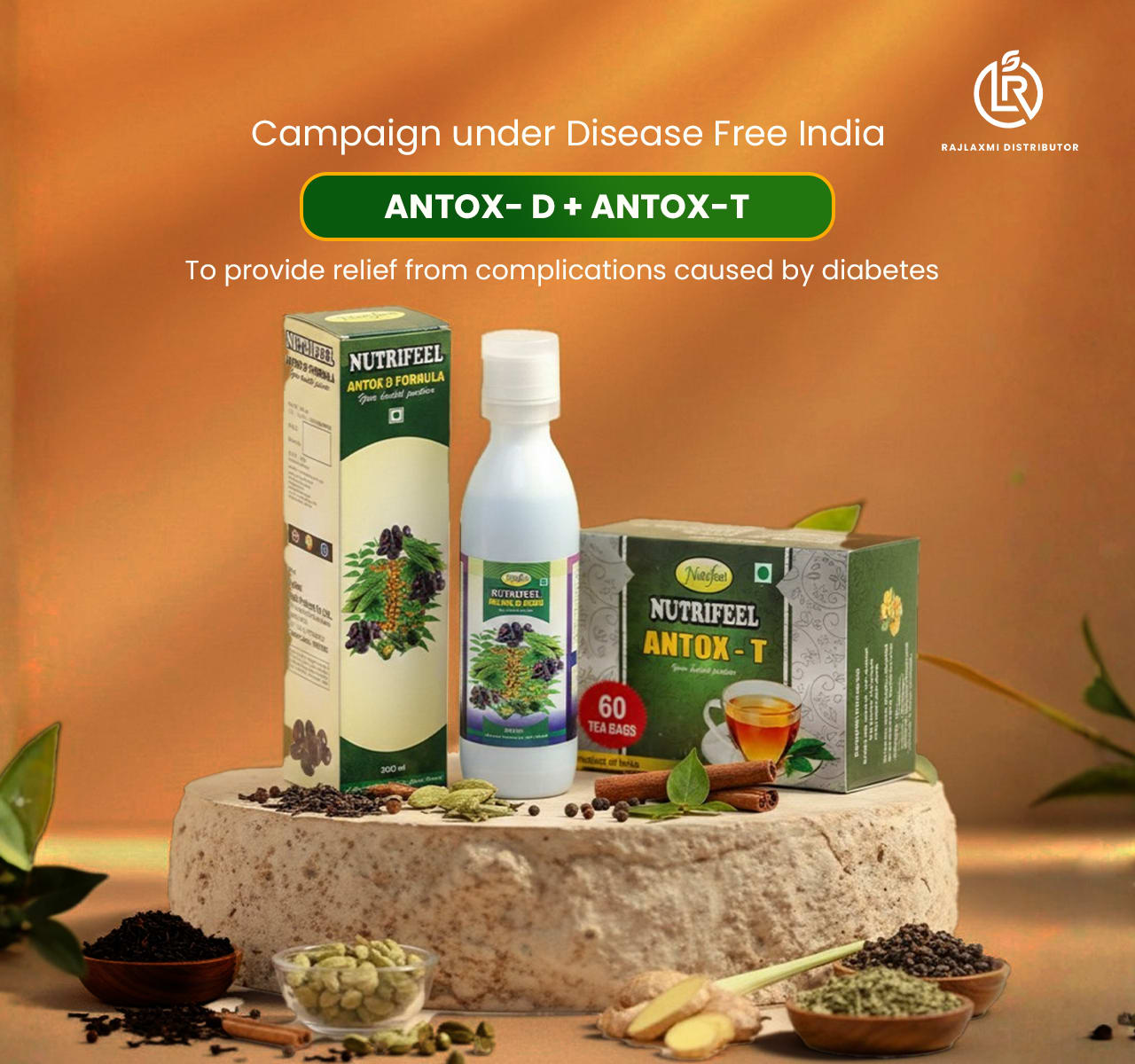
In the Aaryuda product range, Antox-T is provided as a coarse herbal mixture for decoction. Following product guidelines: boil half a sachet of Antox-T in 100 ml of clean water until warm, strain, and blend with complementary drops or liquids as directed.
Important Usage Considerations
Ayurvedic decoctions should be taken according to recommended daily routines. Avoid consuming stale decoctions prepared more than 12 hours prior, as fresh extracts maintain optimal aroma and vitality.