Giloy (Tinospora cordifolia), known as Gulvel in Maharashtra and Amrita in classical Sanskrit texts, holds an esteemed position in Ayurvedic pharmacology. Revered as a Rasayana (rejuvenative herb), Giloy is widely described for its capacity to support immunity and natural metabolism.
What Is Giloy (Gulvel)?
Giloy is a large, climbing succulent shrub native to tropical regions of India. In traditional practice, the stem of the plant is considered the most potent part, containing bitter compounds (tinosporine, cordifolioside) and starch (Giloy Satva).
Giloy in Traditional Ayurveda
Ayurvedic texts describe Giloy as possessing Tikta (bitter) and Kashaya (astringent) tastes, with a Ushna (warming) potency that helps balance all three Doshas, particularly Vata and Kapha.
- Immune Support: Traditionally used to maintain general resilience and vitality.
- Metabolic Rhythm: Helps support balanced digestion and digestive fire (Agni).
- Blood & Tissue Purifier: Classical texts describe its role in cleansing body fluids (Dhatus).
Common Ways Giloy Is Consumed
Giloy is traditionally administered in several classical forms:
1. Kwatha (Decoction)
Boiling crushed Giloy stems in water to extract water-soluble bitter principles.
2. Satva (Starch Extract)
A soothing white powder extracted from Giloy stems, prized for its gentle digestive properties.
3. Synergistic Formulations
Combined with complementary herbs like Ashwagandha, Shatavari, and Tulsi for comprehensive wellness support.
Giloy in Aaryuda Ayurveda Formulations
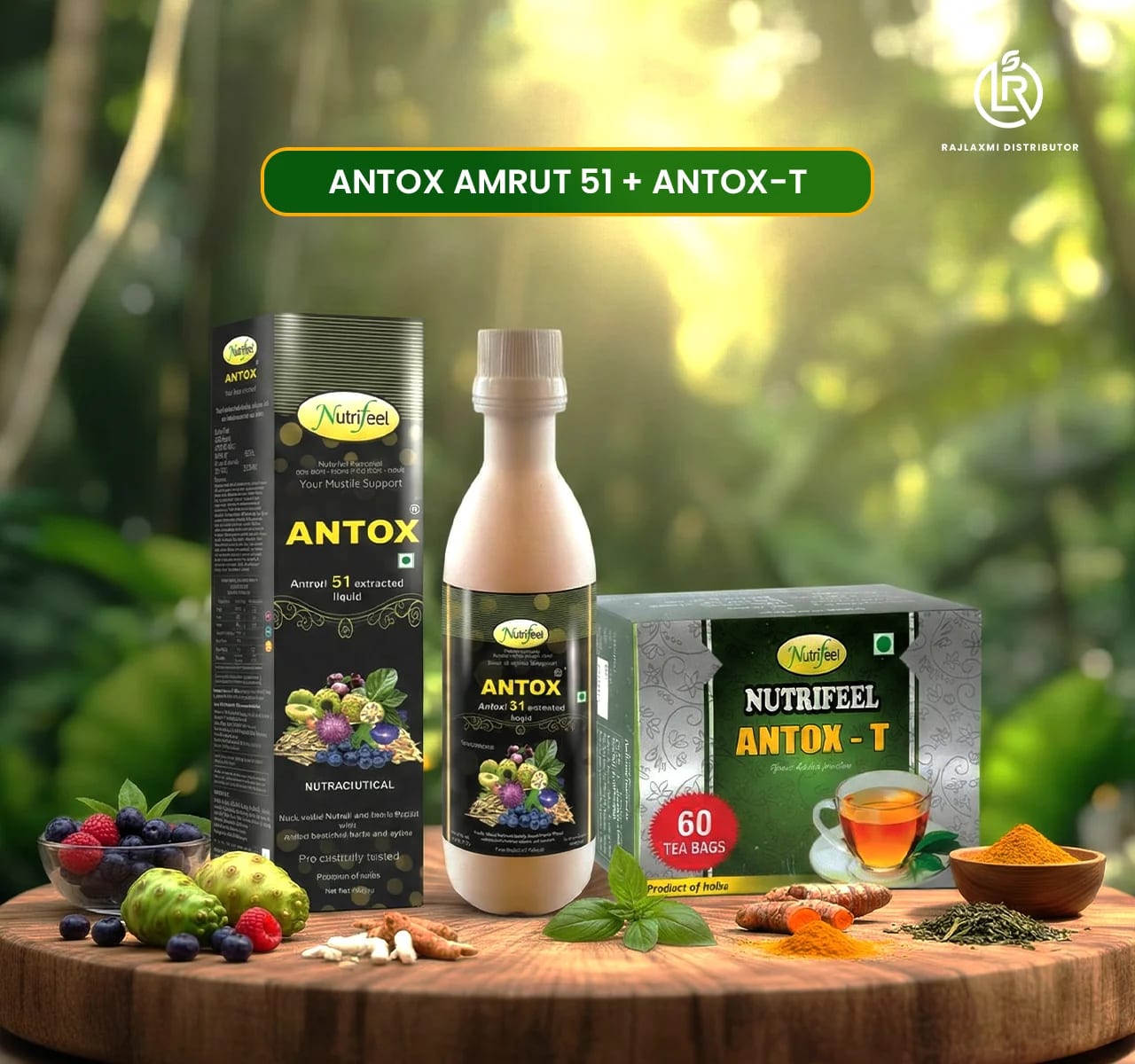
Giloy is a key ingredient featured in Aaryuda formulations such as ANTOX AMRUT-51 and ANTOX-D, providing botanical support alongside traditional herbs like Neem and Jamun.
Things to Consider Before Using Herbal Products
Herbal supplements should be incorporated into a balanced daily routine alongside nutritious meals and physical activity. Consult a practitioner if you have ongoing medical conditions.